
About Stud Welding
Stud welding is a high-speed process of using a welding arc to permanently bond a metal stud to a metal base material. It eliminates the need for drilling, tapping, or punching holes, saving time while preserving structural integrity. Stud welding creates a metallurgical bond that is stronger than the base material or stud itself. Depending on your specific application, stud welding can improve appearance, enhance durability, and lower total installation costs for industrial projects.

How CD and Arc Stud Welding Differ
At Midwest Fasteners, we offer both capacitor discharge (CD) and arc stud welding solutions. Learn more about the properties and benefits of each process below.

Capacitor Discharge (CD) Stud Welding
CD stud welding is ideal for projects involving thin-gauge metals, sensitive finishes, or precision alignment. Because the weld cycle lasts only milliseconds, there is little risk of warping, discoloration, or reverse-side deformation. This method is widely used in industries such as electronics, appliance manufacturing, HVAC equipment, and signage, where appearance and structural integrity are top priorities.
How Does Capacitor Discharge (CD) Stud Welding Work?
 Step 1 Weld Stud Against Work
  Step 2 Welding Process Starts with Arc Ignition
  Step 3 Stud Gets Forced into Molten Metal
  Step 4 Stud is Welded Using Capacitor Discharge Method
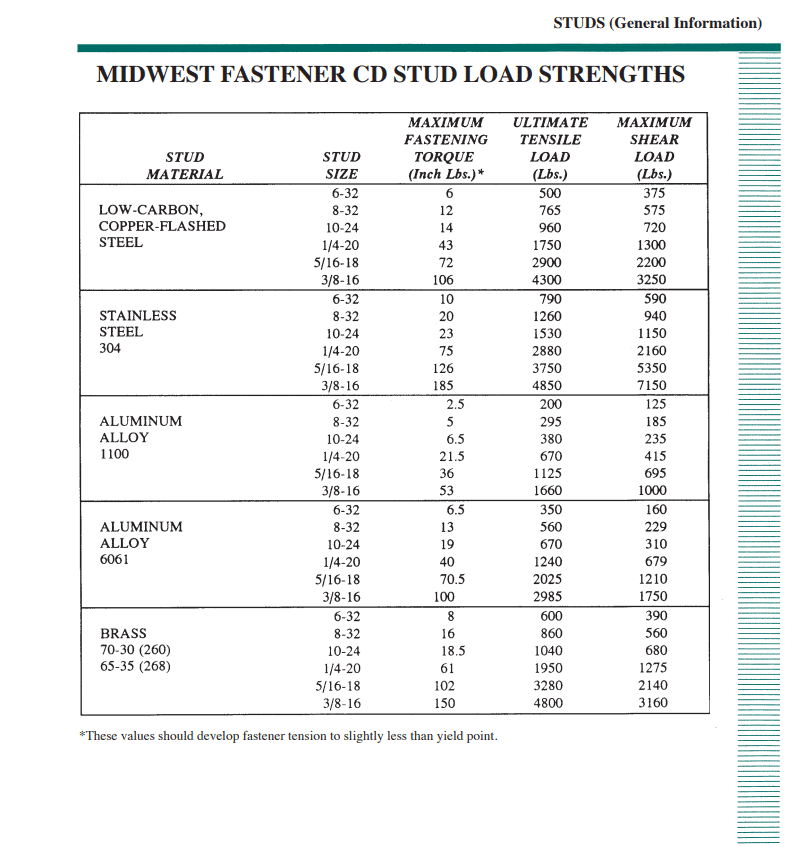
 - Primary energy source: Uses stored electrical energy from a capacitor bank charged with standard 110–115V AC power.
- Arc initiation: A specialized weld tip on the stud vaporizes upon contact, creating the arc.
- Stud movement: The stud is in contact with the base material before the arc, then rapidly plunges into the molten metal pool to form the bond.
- Use of ferrule: No ceramic ferrule is used in CD stud welding.
- Weld cycle time: The entire weld completes in milliseconds, allowing for very high-speed production.
- Heat input: Low heat input helps prevent reverse-side marking, distortion, or burn-through.
- Material compatibility: Ideal for thin or delicate metals (as thin as 0.015 inches) such as aluminum, brass, stainless steel, and zinc-coated materials.
- Typical stud diameters: Suitable for small-diameter studs ranging from 14 gauge to ⅜".
- Reverse-side marking: Produces no marking or discoloration on the opposite side of the base material.
- Weld strength and appearance: Forms a strong, clean fusion weld with no loss in stud length after welding.
- Flux use: No flux is used; CD weld studs are precisely manufactured for controlled performance.
 Consumer Electronics
  Signage
  Decorative Trim
  Control Panels
  Appliances
  Sheet Metal Enclosures
 Resources


Arc Stud Welding
Arc stud welding provides superior strength for large-diameter studs and heavy-duty structural applications. This process is used to attach shear connectors to steel beams, anchor plates to tanks, or structural brackets to heavy equipment. The ceramic ferrule helps maintain weld consistency and protects the molten metal from atmospheric contamination.
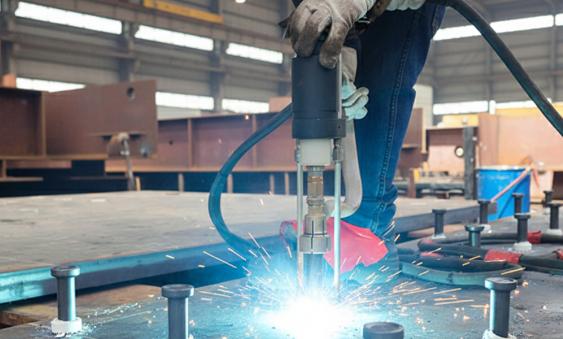
How Does Arc Stud Welding Work?
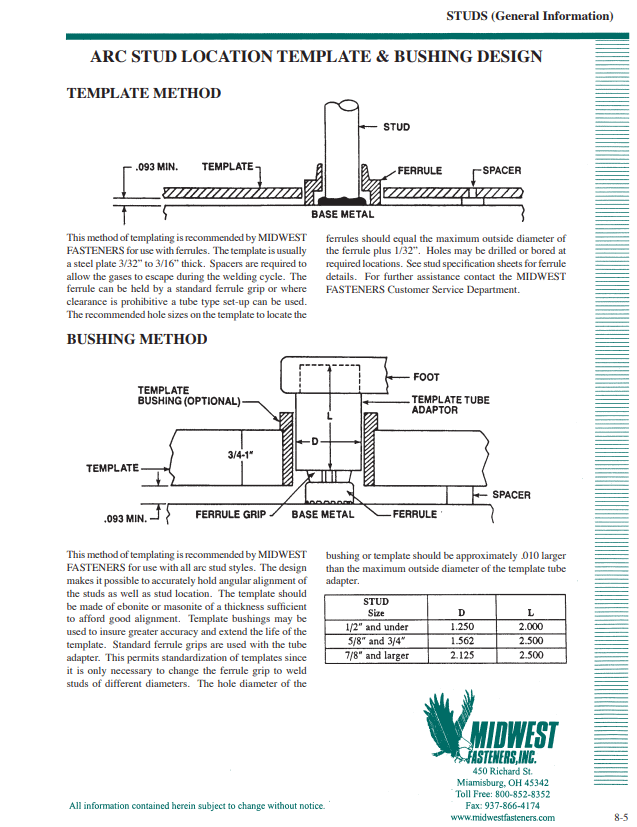
 Step 1 Stud and ceramic ferrule against the work plate
  Step 2 Stud is Lifted and Arc is drawn for welding
  Step 3 Stud Gets Forced into Metal forming the weld
  Step 4 Stud is Welded Using Arc Stud Welding Method
 - Primary energy source: It uses a DC power source, such as a welding rectifier or generator.
- Arc initiation: The weld gun lifts the stud slightly from the surface to strike the arc.
- Stud movement: After the arc is formed, the stud is plunged into the molten pool for bonding.
- Use of ferrule: A ceramic ferrule contains the molten metal, shapes the weld, and shields the arc.
- Weld cycle time: Longer than CD welding, arc stud welding typically takes 0.1 to 1.5 seconds, depending on stud size and materials.
- Heat input: Higher heat creates a larger molten pool, accommodating thicker materials and full-strength welds.
- Material compatibility: Suitable for mild steel, stainless steel, and other robust metals used in structural applications.
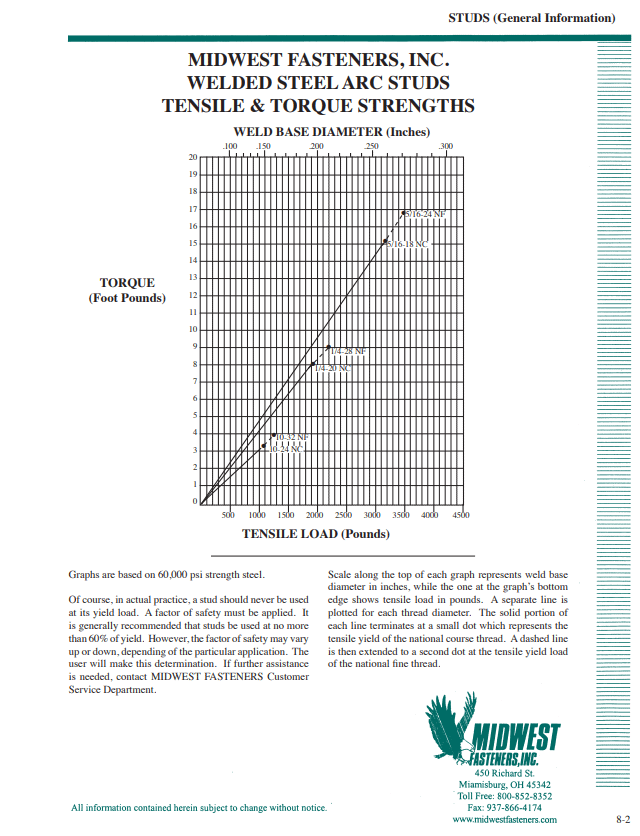
- Typical stud diameters: Best for larger diameter studs ranging from ¼" to 1" or more.
- Reverse-side marking: A weld fillet may form and cause backside marking; countersinking or using oversized holes can compensate for this.
- Weld strength and appearance: Develops full-strength alloy fusion at the joint; post-weld shortening occurs (e.g., 1/8" reduction for 3/16" to 1/2" diameter studs).
- Flux use: Flux embedded in the weld end of the stud helps deoxidize the molten metal.
 Construction
  Shipbuilding
  Heavy Equipment
  Control Panels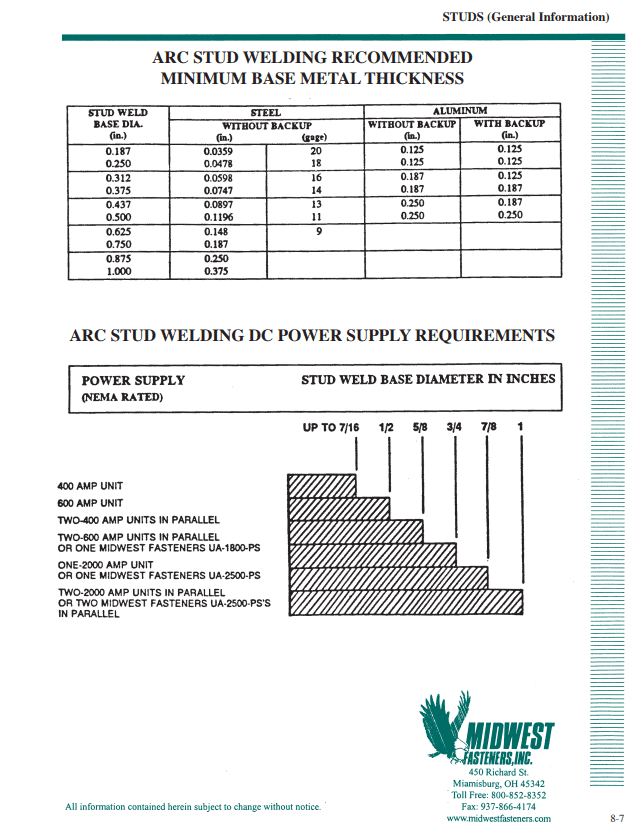

How Stud Welding Differs From Alternatives
Stud welding offers a unique combination of speed, strength, and efficiency that sets it apart from other fastening and welding methods. Below, we compare stud welding to resistance welding, traditional arc welding, and mechanical fastening to help you evaluate the right solution for your application.
Stud Welding Equipment
-
General Equipment Components
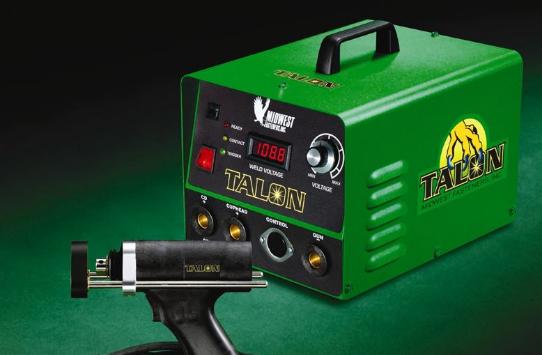
These are the basic components of any type of stud welding equipment:
Power supply: Provides the electrical current needed to create the arc. CD systems typically use 110–115V AC wall power, while arc stud welders use a DC rectifier or generator.
Controller: Regulates the timing, energy levels, and weld parameters for each weld stud application, ensuring consistency and control.
Weld gun: Holds the stud in position and manages the plunge action during the welding cycle.
Cables. Connect the power supply, controller, gun, and ground to complete the electrical circuit. -
Capacitor Discharge (CD) Stud Welding Equipment

CD stud welding equipment, in particular, involves these additional components:
Capacitor bank: Stores and rapidly discharges electrical energy during each weld cycle.
Specialized weld tip: Located on the stud itself, this tip vaporizes to initiate the arc at the start of the weld.
-
Arc Stud Welding Equipment
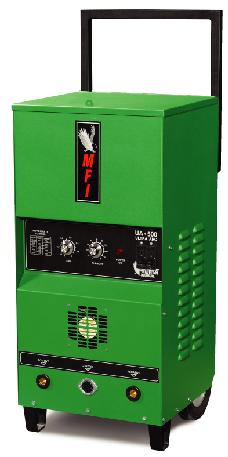
Arc stud welding equipment requires these additional components:
Ceramic ferrule: Contains and shapes the molten metal, protects the arc, and helps form a consistent weld fillet.
Arc weld controller: Typically more robust than CD controllers, this supports higher energy output and longer weld cycles.
Heavy-duty weld gun: Designed to handle larger-diameter studs and manages lift and plunge operations with precision.
Stud Welding Materials
Common stud welding materials include:
Benefits of Stud Welding
The key benefits of stud welding are:
Fast production: Quick attachment rates reduce manufacturing time and overall project costs.
Consistent results: Semi-automated equipment ensures repeatable welds and lowers defect rates.
Strong, reliable joints: Fusion bonding creates high-strength fasteners that enhance structural integrity.
No secondary operations: Eliminates the need for drilling, tapping, or grinding, streamlining workflows.
Accurate placement: Delivers precise positioning with tight tolerances (±0.010 to ±0.015 in.), even in high-volume settings.
Single-operator setup: Most systems require only one operator, saving on labor and training costs.
Flexible fastener options: Supports a wide range of standard and custom studs across various sizes and materials.
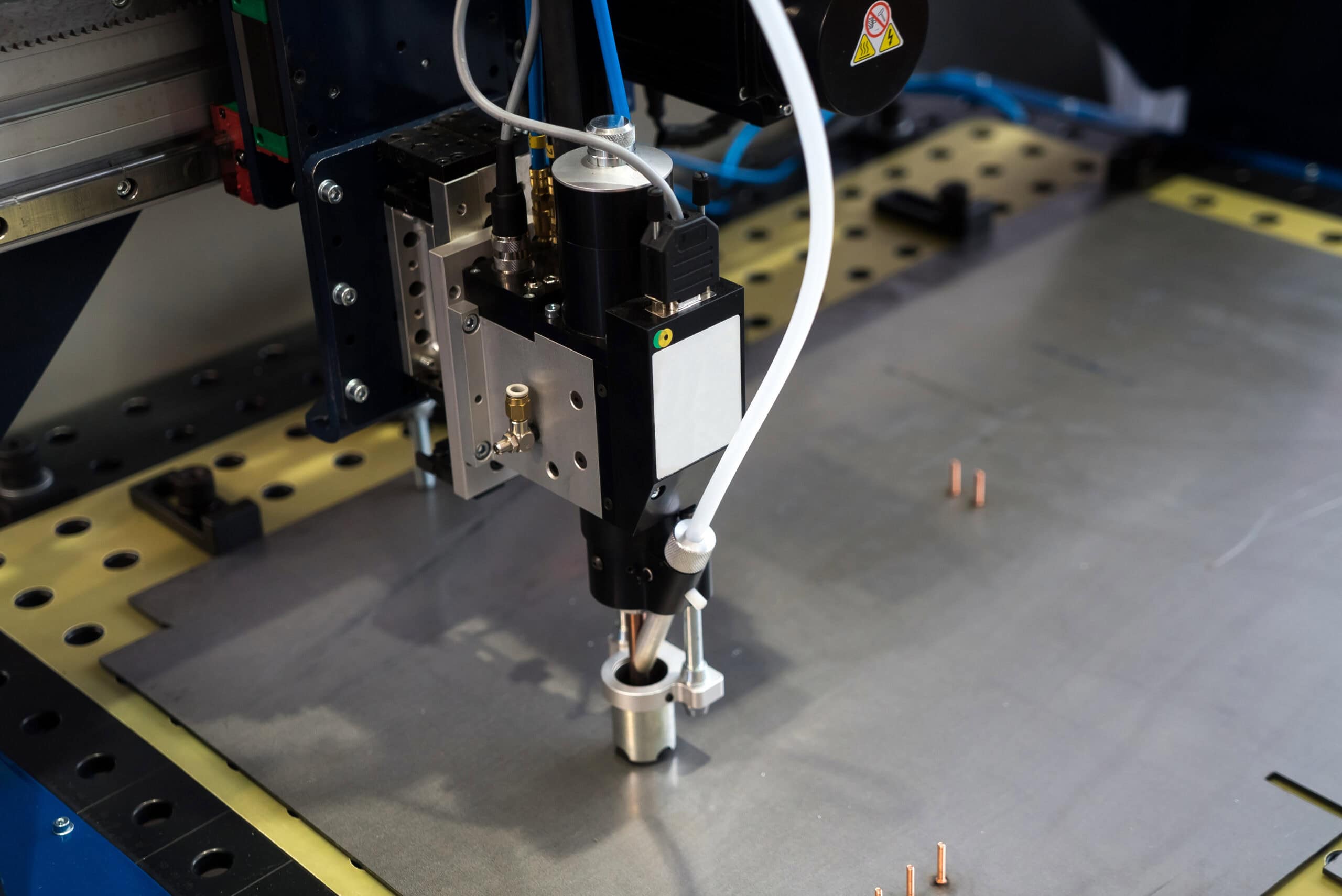
Applications of Stud Welding by Industry
Stud welding is used most frequently in these industries:


Stud Welding at Midwest Fasteners
As a leading manufacturer and supplier of stud welding solutions, Midwest Fasteners is a trusted partner for companies seeking long-term value from their fastening operations. Our solutions include weld studs, stud welding equipment, in-house stud welding services, and more. Contact us or request a quote to discuss your weld stud application.